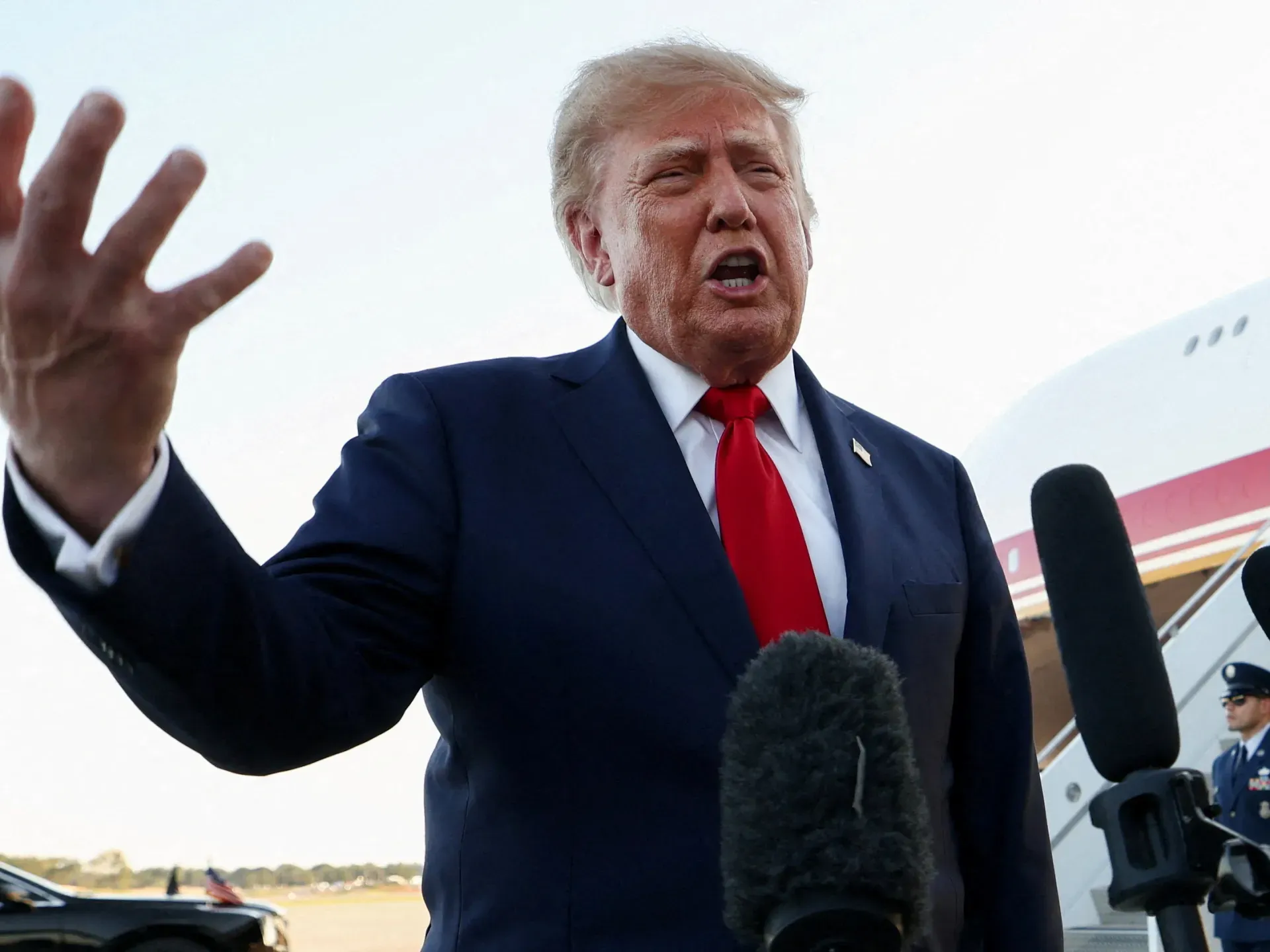
Trump made the comments on Thursday, September 17, 2026, as the war between the United States and Iran entered its seventh month. He said he believed the conflict was moving toward an end, although he did not announce a final peace agreement or a definite date for the fighting to stop. Reuters reported that Trump has recently expressed hope that the war could conclude, while the conflict continues to produce military and economic consequences across the region.
Trump also claimed that direct communication with Tehran was taking place. However, the details of those contacts were not immediately clear, and the Iranian government has not publicly confirmed an agreement to end the war. This means the claim of direct talks should be treated as a statement from the U.S. president rather than confirmation that formal peace negotiations have been completed.
The conflict began on February 28, when the United States and Israel launched attacks against Iran. Iran responded with attacks on Israel and U.S. military positions in the region. Since then, attempts to establish a lasting political settlement have faced repeated difficulties. A temporary peace agreement reached earlier in the year helped reduce fighting for a period, but disagreements over the longer-term terms of a settlement have continued.
One of the major issues surrounding the conflict is Iran's nuclear programme. Trump has repeatedly said that preventing Iran from developing nuclear weapons is a major objective of the U.S. campaign. Iran, however, has maintained that its nuclear programme is for peaceful purposes and has rejected accusations that it is seeking nuclear weapons.
The conflict has also created serious consequences beyond the battlefield. The Strait of Hormuz, one of the world's most important energy shipping routes, has been at the centre of repeated disputes during the war. Disruptions to shipping have contributed to volatility in global oil markets, while fighting involving Iran and groups aligned with Tehran has spread across parts of the Middle East.
There are also diplomatic efforts involving countries outside the immediate conflict. China has urged Iran and the United States to show restraint and return to negotiations. Chinese Foreign Minister Wang Yi called for renewed consultations and stressed the importance of restoring safe passage through the Strait of Hormuz.
Trump is also expected to meet with Gulf Arab leaders during the upcoming United Nations General Assembly in New York. Discussions are expected to include the future of the region and plans for dealing with the situation after the war.
Despite Trump's comments, there is currently no confirmed final peace agreement between Washington and Tehran. Fighting and regional tensions remain active, meaning the situation could still change. For now, Trump's statements indicate that his administration sees a possible path toward ending the conflict, while diplomatic efforts continue.