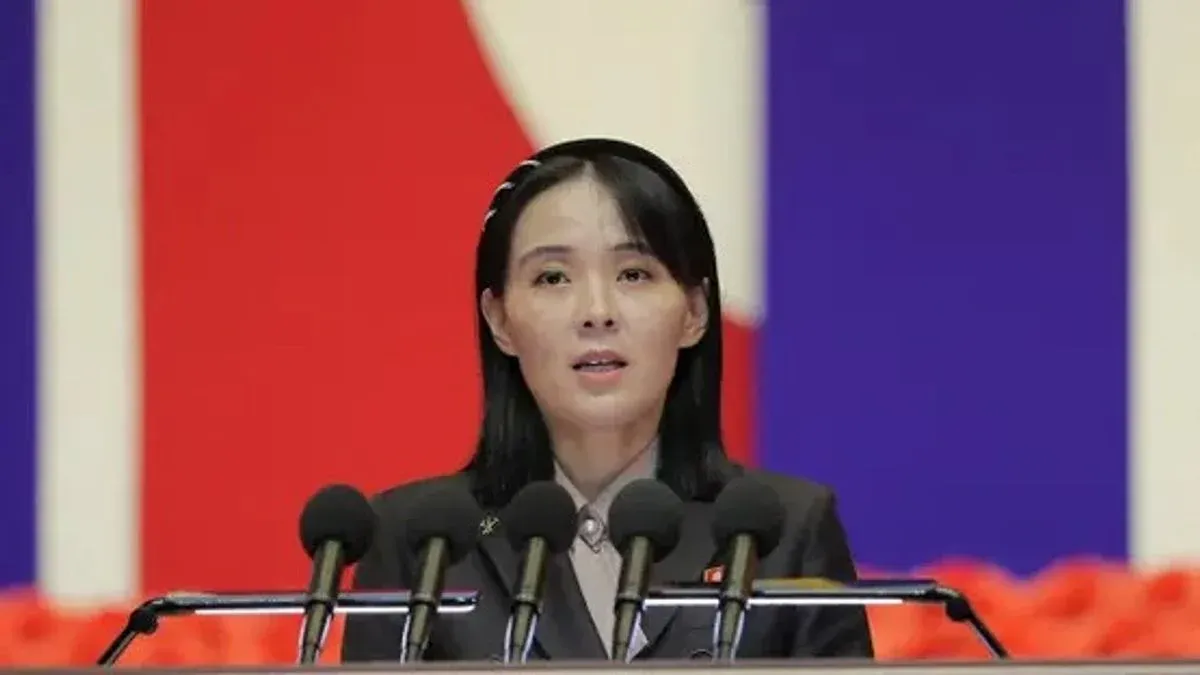
Kim Yo-jong made the remarks on Thursday, September 17, in a statement carried by North Korea’s state-run Korean Central News Agency, or KCNA. Her comments came as the International Atomic Energy Agency, the IAEA, held its general conference in Vienna, Austria. The conference has raised concerns about North Korea’s expanding nuclear capabilities and called for the country to abandon its nuclear weapons programme in line with international agreements.
Kim Yo-jong dismissed the international discussions on denuclearisation as what she described as familiar and ineffective talk. She said North Korea’s position as a nuclear weapons state was absolute and could not be reversed. She also used the word “idiots” when referring to people who believe North Korea could eventually give up its nuclear weapons. Her statement was directed at international efforts to persuade Pyongyang to denuclearise.
The comments come as international concern continues over North Korea’s nuclear programme. The IAEA has reported an expansion of North Korea’s uranium-enrichment capacity and its main nuclear facilities. The agency has continued to call for North Korea to comply with international obligations and allow the necessary verification of its nuclear activities.
Kim Yo-jong said North Korea’s nuclear position had been established both physically and legally and argued that outside pressure would not change the country’s policy. North Korea has increasingly presented its nuclear programme as a central part of its national security policy and has repeatedly rejected demands for complete denuclearisation.
The latest statement also reflects the wider disagreement between North Korea and countries including the United States and South Korea over the future of the Korean Peninsula. Pyongyang has continued to reject the idea that it should surrender its nuclear capabilities before receiving changes in what it describes as hostile policies from other countries. International governments, meanwhile, have continued to call for the removal of North Korea’s nuclear weapons programme.
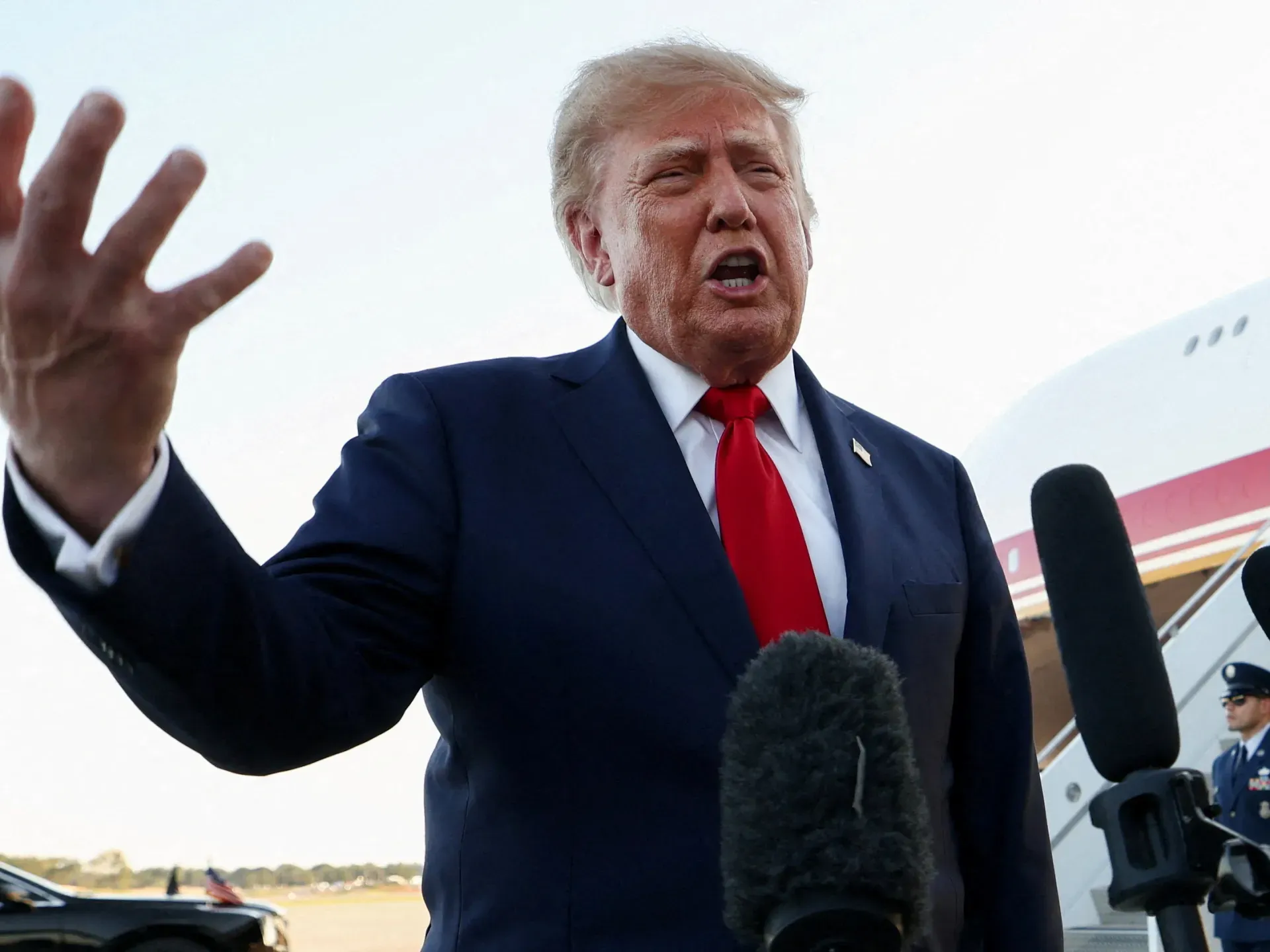
The issue has remained unresolved since diplomatic efforts between North Korea and the United States broke down. A second summit between Kim Jong-un and then-U.S. President Donald Trump in 2019 ended without an agreement on denuclearisation. Since then, North Korea has continued developing its nuclear and missile programmes while diplomatic efforts have remained limited.
Kim Yo-jong’s latest comments therefore reinforce Pyongyang’s current position that it does not intend to accept international demands for denuclearisation. However, the statement represents the North Korean government’s position; it does not by itself determine what future negotiations or policies may take place.
The IAEA conference in Vienna is continuing discussions on nuclear safeguards and concerns about North Korea’s nuclear activities. International officials are expected to continue pressing Pyongyang to cooperate with efforts aimed at monitoring and addressing the country’s nuclear programme.
For now, North Korea’s leadership is maintaining that its nuclear status is permanent, while international organisations and several governments continue to call for denuclearisation.