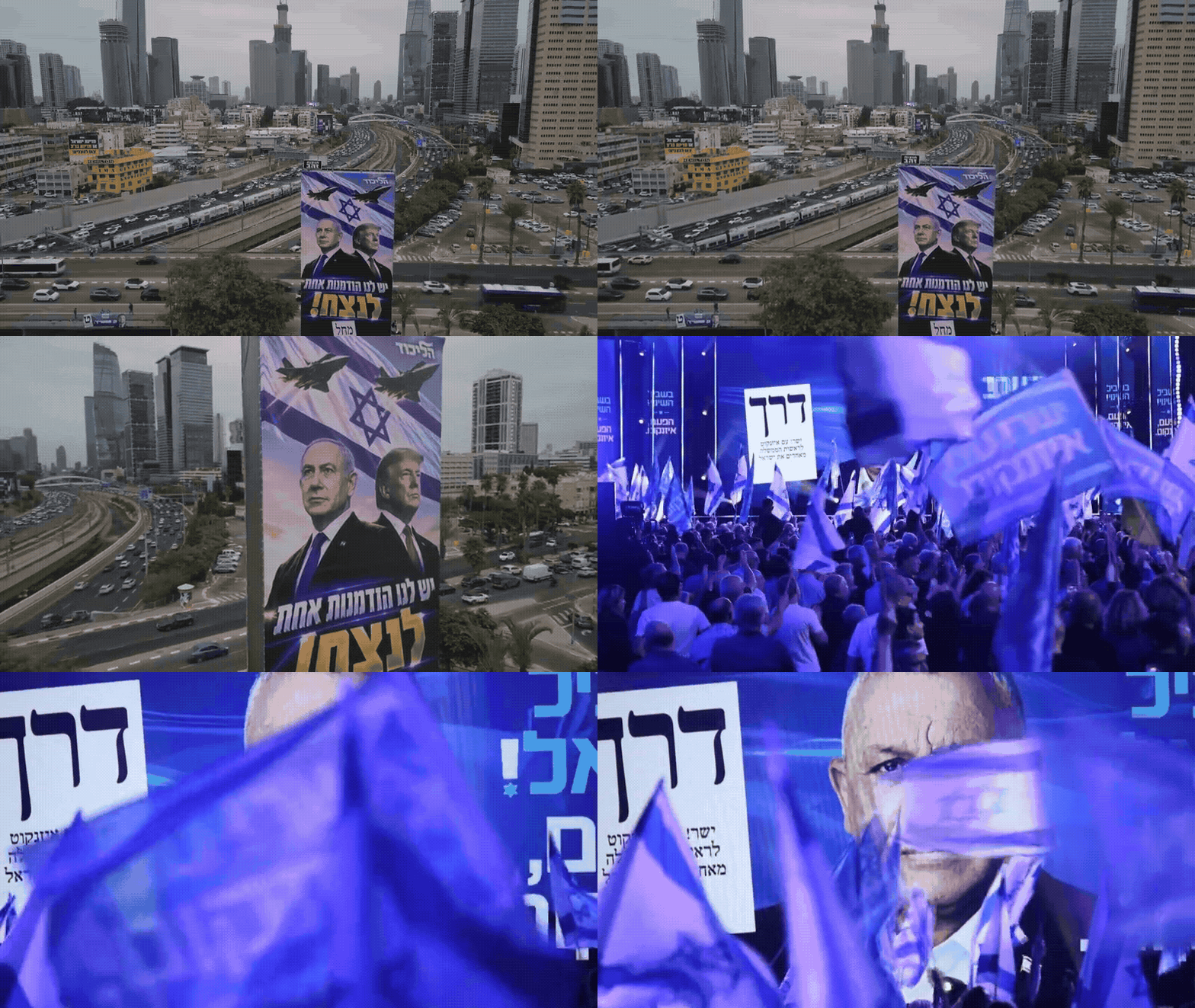
Netanyahu’s right-wing Likud-led coalition is facing a challenge from opposition parties, with former military chief Gadi Eisenkot emerging as one of his principal challengers through his centrist Yashar party. The election follows years of regional conflict and growing debate within Israel over national security, political accountability and the government’s handling of the 7 October attack.
Opinion polls published ahead of the election suggest that Netanyahu’s bloc could secure between 49 and 55 seats in the 120-member Knesset, Israel’s parliament, although projections vary between pollsters. The figures would leave the bloc short of the 61 seats required for a parliamentary majority in most of those scenarios. However, the final outcome will depend on the votes cast and subsequent coalition negotiations.
The election is taking place against a backdrop of public concern over security failures surrounding the Hamas attack, the wars that followed and the government’s domestic policies. Key issues include accountability for the events of October 2023, military service exemptions for ultra-Orthodox Jewish men, and the country’s future security and diplomatic relations.
Israel’s electoral system means voters choose political parties rather than directly electing the prime minister. After the results are declared, the formation of a government will depend on whether a party leader can assemble a coalition with sufficient support in the Knesset. This means that even a party winning the largest number of seats may not automatically be able to form the next government.
The outcome will therefore have significant implications for Netanyahu’s political future and the direction of Israeli policy. While the vote could reshape the country’s political leadership, the extent of any change will depend on the distribution of seats and the ability of the competing political blocs to reach agreements.
Khalil Ibrahim Yaro
Experienced journalist, Editor in Chief and media professional with a strong background in field reporting, investigative journalism, Editorial production, interviewing, research, digital media and newsroom coordination.
More from Khalil Ibrahim Yaro