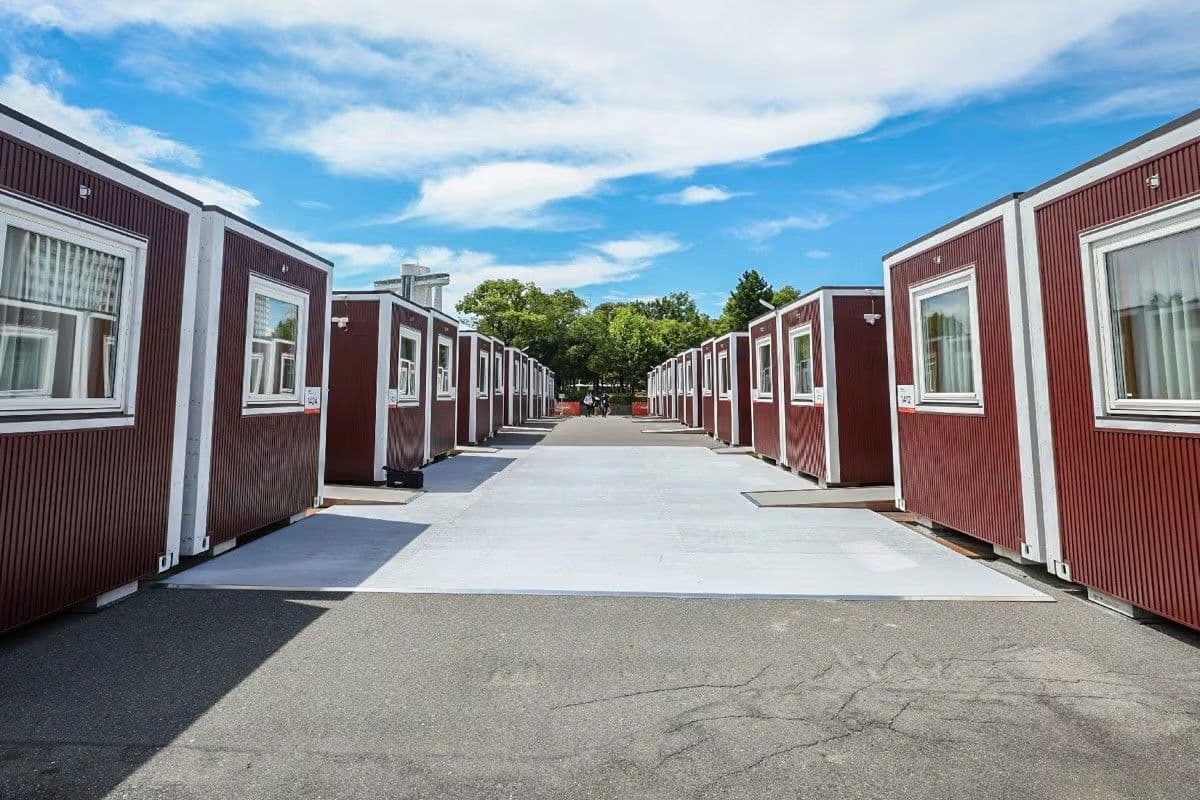
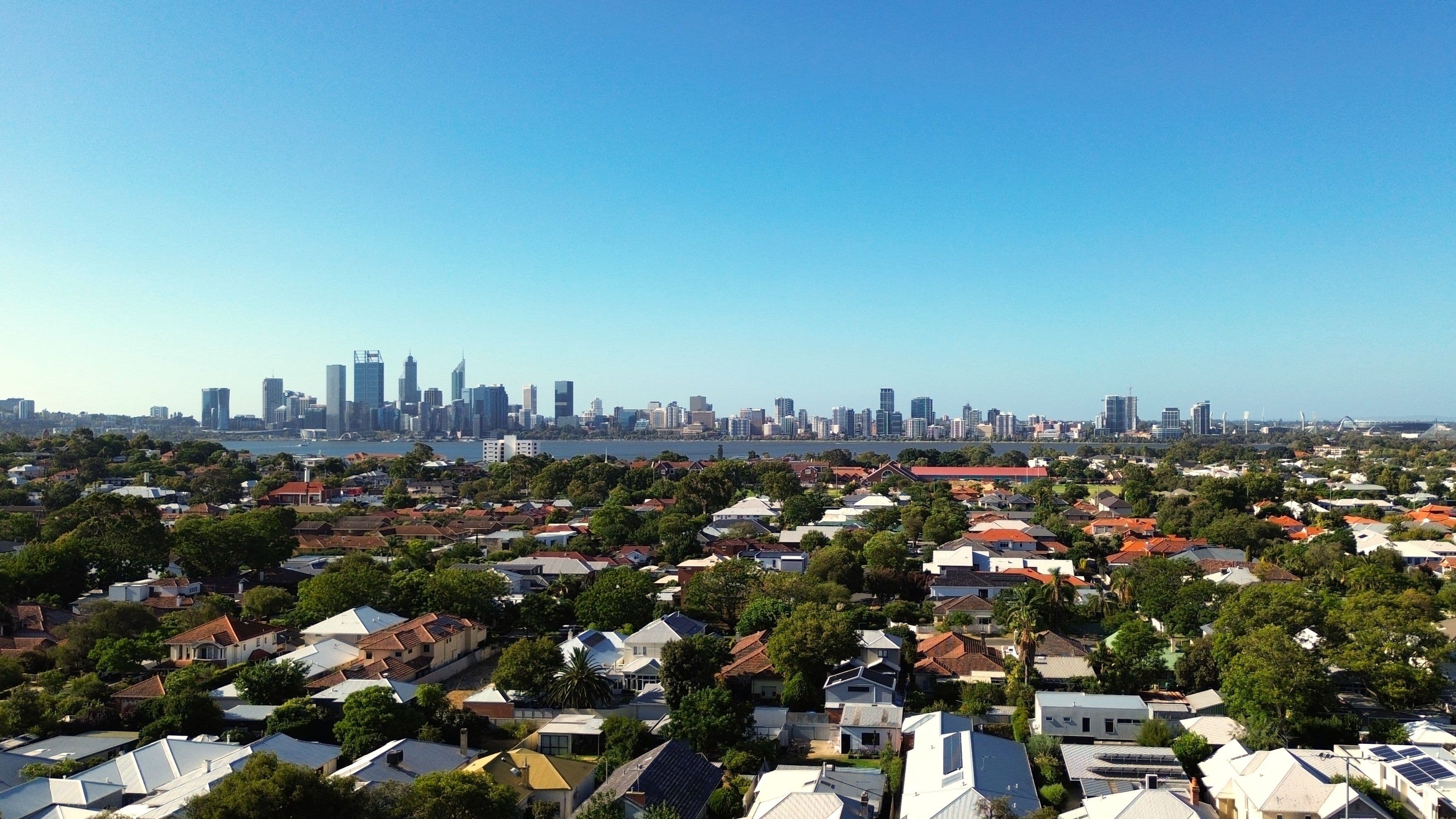
The reforms were announced on Thursday, September 17, 2026, as the government outlined changes affecting international students, backpackers, temporary visa holders and people who remain in Australia after their visas expire. Burke said the government now considers its net overseas migration forecasts a target that must be met because of the housing pressures facing the country.
Under the new measures, international students will generally be prevented from bringing their partners and children to Australia, although limited exceptions will apply to some students from Pacific and Southeast Asian countries. The government is also introducing a ballot system for backpackers seeking to extend their working-holiday stays into a second or third year. The second-year programme will have 45,000 places, while the third-year programme will have 5,000 places.
The government is also increasing enforcement against people who remain in Australia after their visas expire. It plans to add 100 compliance officers and 250 detention beds, while considering whether a former quarantine facility in Melbourne could be used for immigration detention. Officials also want stronger action against migration agents who encourage people to make protection-visa applications that do not meet the requirements.
Burke said Australia’s housing shortage is not caused by immigration alone, but argued that immigration has to be part of the response to the housing crisis. He said the government needs to slow migration enough to give housing construction an opportunity to catch up with demand. At the same time, he rejected calls for extremely deep cuts, arguing that Australia still depends on migrants in important sectors, including healthcare, construction and aged care.
The government is targeting net overseas migration of 245,000 people this financial year and 225,000 the following year. New figures released by the Australian Bureau of Statistics show that net overseas migration had already fallen to 292,100 people in the year to March.
The changes have also prompted debate about Australia's workforce needs. Some employers and industry representatives have warned that reducing migration could make it harder to find workers in sectors already facing shortages. Burke, however, said the government would give greater priority to skilled workers in areas such as construction, healthcare, agriculture, fisheries and teaching.
The reforms come amid a wider political debate in Australia about immigration, housing affordability and the country's population growth. The government says the changes are intended to give it greater control over demand-driven parts of the migration system while maintaining migration levels it considers necessary for the economy.
For now, Australia is not ending migration. Instead, the government is tightening several visa pathways and setting lower migration targets, while arguing that the changes are needed to manage housing pressures and maintain control over the immigration system.