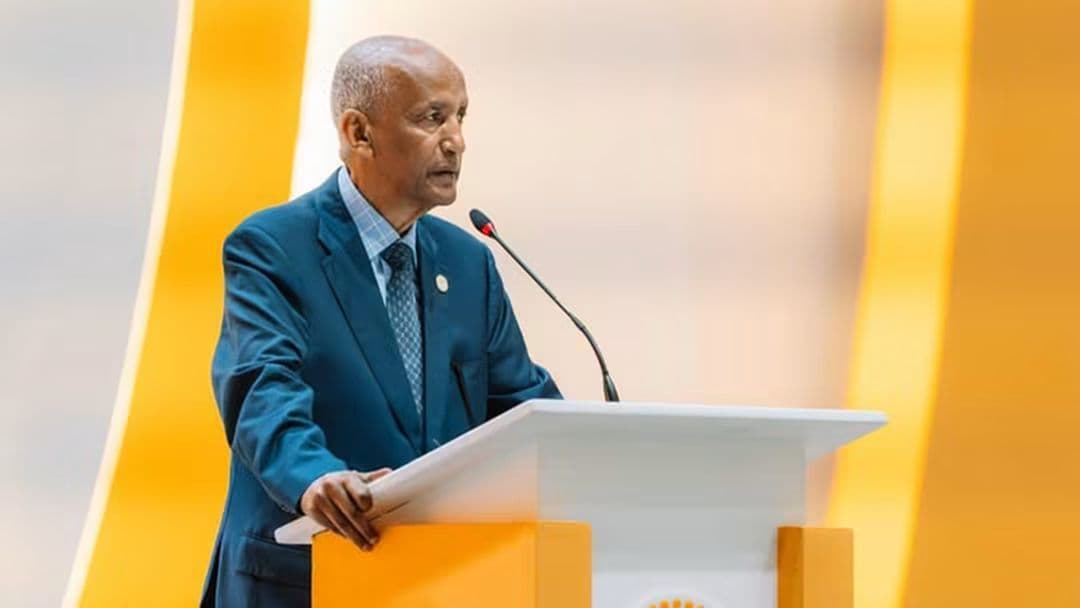
WHO representative for the occupied Palestinian territory, Reinhilde Van de Weerdt, said microbiological contamination in tested water samples had risen sharply, from just under 6 percent in January to almost 20 percent in August. She said more than 6,500 water samples had been tested, although limited laboratory capacity means not all contaminants can be detected.
The WHO also reported a major increase in acute watery diarrhoea, with cases rising from about 30,000 in March to more than 58,000 in August. The agency warned that damaged water and sanitation systems, accumulated waste and overflowing sewage are creating conditions in which waterborne and other diseases can spread rapidly.
WHO warned that heavy rainfall could flood overcrowded displacement sites, carrying sewage, waste and contaminated water into areas where people sleep, cook and care for their families. Standing water could also create breeding grounds for mosquitoes and other pests, while damp tents could encourage mould growth.
The UN health agency said the situation can still be prevented from becoming a larger public health disaster, calling for the unimpeded and expedited entry of humanitarian supplies, including shelter materials, water supplies, waste-management equipment and other essential health resources.
Khalil Ibrahim Yaro
Experienced journalist, Editor in Chief and media professional with a strong background in field reporting, investigative journalism, Editorial production, interviewing, research, digital media and newsroom coordination.
More from Khalil Ibrahim Yaro