
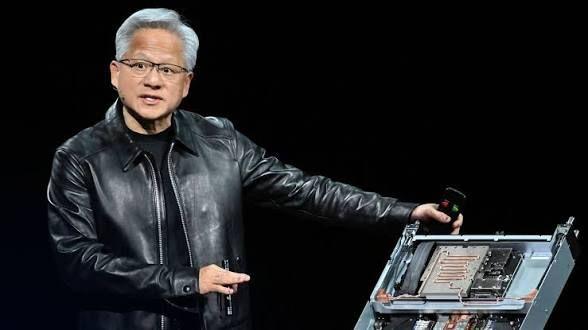
The chief executive of American technology giant Nvidia, Jensen Huang, is facing growing scrutiny following allegations that a Chinese businesswoman, Alice Huang, was recruited by Beijing to gather information about the company and potentially influence the global artificial intelligence industry. The allegations have prompted an internal investigation by Nvidia and attracted the attention of US lawmakers and federal authorities.
Alice Huang, a former Chinese television journalist who later worked in finance and technology, became associated with influential business circles in Asia and the United States. She reportedly appeared alongside Jensen Huang at several private and corporate events, including business dinners, golf gatherings and technology industry functions. The two share a surname but are not related.
According to reports by The New York Times and the Financial Times, US intelligence officials suspect Alice Huang was recruited by China's Ministry of State Security to develop a relationship with the Nvidia chief and collect information that could benefit Beijing in its competition with Washington over advanced artificial intelligence technology. The reports also allege that she may have sought to influence Nvidia's position on exporting advanced computer chips to Chinese companies. However, the full extent of the alleged intelligence operation has not been independently established.
The allegations have also raised questions about the movement of advanced Nvidia chips into China. A Reuters report published on 10 November, citing The Information, said Alice Huang and associates allegedly helped facilitate shipments of at least 240,000 Nvidia chips, valued at approximately 7.5 billion dollars, to Chinese companies. The reported shipments involved H100, H200 and some A100 processors. These claims have not been independently verified by Reuters, and the companies named in the report had not immediately responded to requests for comment.
Jensen Huang has acknowledged being unfaithful to his wife, issuing an apology to his family in a message to Nvidia employees. However, he has not publicly confirmed all the allegations concerning Alice Huang's activities. Nvidia previously described their interactions as ordinary business contact, explaining that its chief executive regularly meets executives from customer companies. The company has also maintained that regional cloud customers receive ordinary business information rather than sensitive trade secrets or national security material.
Nvidia's board has now launched an independent investigation into whether Jensen Huang was targeted by a foreign intelligence operation. The board said it had no reason to believe that national security information or Nvidia's confidential trade secrets had been compromised, but confirmed that the review would examine all available information. Jensen Huang has committed to co-operating with the investigation and is expected to remain in his position while the review continues.
The controversy has also reached the highest levels of the US government. President Donald Trump said the FBI was looking into the matter and reported that Jensen Huang had told him he had no knowledge that Alice Huang was allegedly working for Chinese intelligence. Trump said he believed the Nvidia chief. Meanwhile, senior Republican lawmakers have requested a briefing from Jensen Huang on his contacts with Alice Huang and the company's procedures for protecting sensitive technology from foreign intelligence operations.
China has rejected the allegations, describing claims of an intelligence operation against Nvidia's chief executive as unsubstantiated. Chinese Foreign Ministry spokesperson Guo Jiakun said the accusations were intended to smear China. Alice Huang has not publicly responded to the espionage allegations, and Reuters reported that it could not independently verify the claims or establish her whereabouts.
The case comes at a sensitive time in the technological competition between the United States and China. Nvidia produces some of the world's most advanced artificial intelligence processors, which are essential for developing and operating powerful AI systems. Washington has imposed restrictions on the export of certain advanced chips to China over concerns about their potential military and strategic applications. Any confirmed breach of those controls could have significant consequences for technology companies and international trade.
For now, the central questions remain whether Alice Huang acted on behalf of Chinese intelligence, whether any sensitive information was obtained, and whether restricted Nvidia technology reached Chinese companies through improper channels. The FBI investigation, Nvidia's internal review and congressional scrutiny are expected to provide further information. Until those investigations establish the facts, the espionage allegations should remain allegations rather than be treated as proven misconduct.