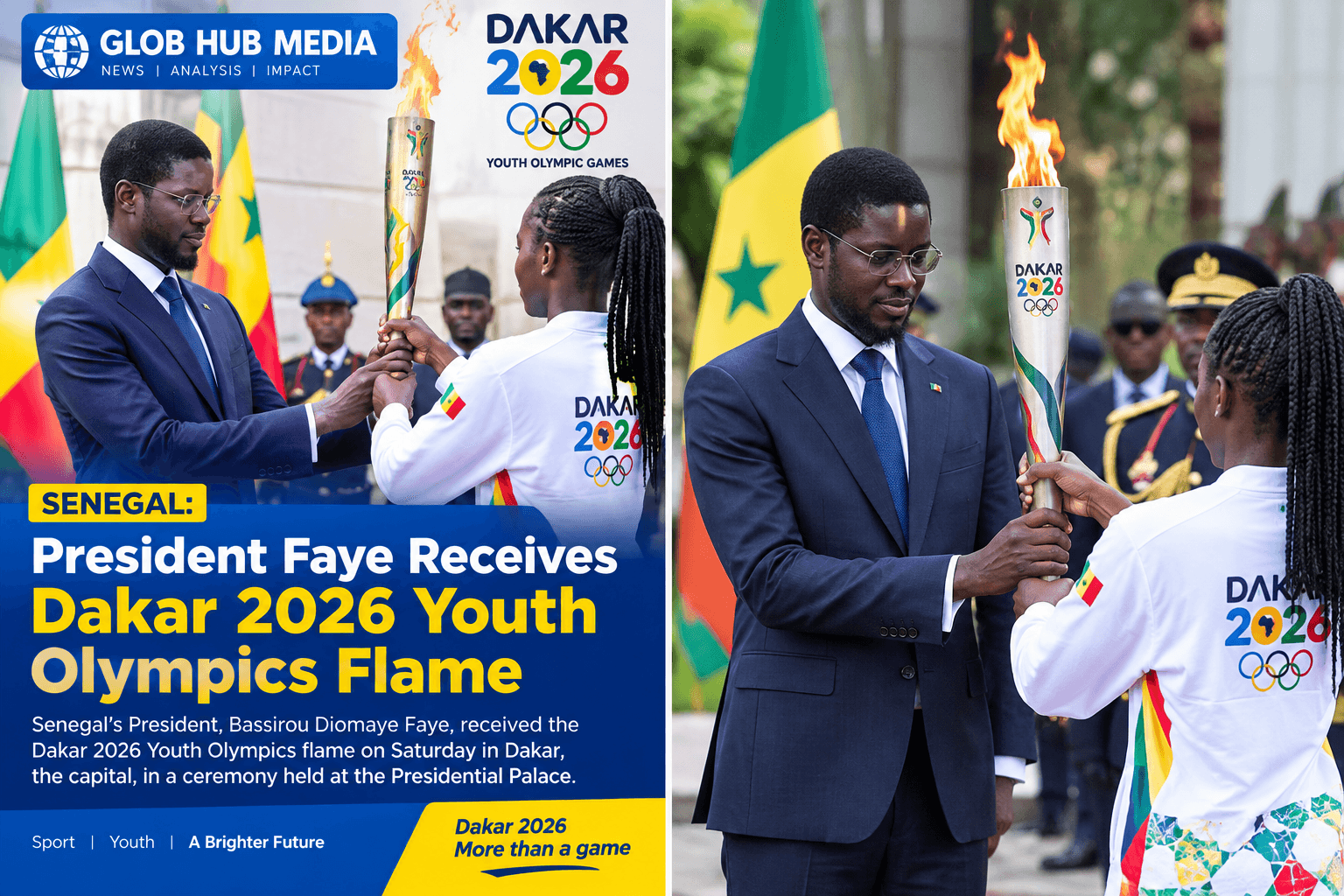
The arrival of the Olympic flame marks another major milestone in Senegal’s preparations to host the Youth Olympic Games, an event that will make history as the first Olympic event to be held on African soil.
The flame was first lit on Thursday, September 10, at the historic Panathenaic Stadium in Athens, Greece, the birthplace of the ancient Olympic Games.
The lighting ceremony brought together senior Olympic officials and representatives of Senegal as preparations intensified for the Dakar 2026 Games.
Among those present was Kirsty Coventry, President of the International Olympic Committee, who attended the ceremony in Athens and highlighted the historic importance of bringing an Olympic event to Africa.
Following the lighting ceremony, the flame was formally handed over to Mamadou Diagna Ndiaye, President of the Dakar 2026 Organising Committee.
It was then transported from Greece to Senegal, where it arrived in Dakar on Saturday and was formally received by President Bassirou Diomaye Faye.
The arrival of the flame represents more than just another stage in the preparations for the Games.

Ai
It is a symbolic moment for Senegal and the wider African continent, as the country prepares to welcome thousands of young athletes from around the world for an event that has been described as historic for African sport.
The Dakar 2026 Youth Olympic Games are scheduled to take place from October 31 to November 13, 2026.
The competition is expected to bring together around 2,700 young athletes between the ages of 15 and 18, who will compete across a wide range of sporting disciplines.
The Games will be held at venues in Dakar and other locations across Senegal, giving several parts of the country an opportunity to participate in the international sporting event.
Organisers say the Games are designed not only to provide young athletes with an international sporting platform, but also to promote education, cultural exchange, friendship and understanding among young people from different countries.
The Olympic flame will now begin a nationwide journey across Senegal.
The relay is expected to take the flame through all 14 regions of the country, giving communities across Senegal the opportunity to participate in the historic event.Hundreds of torchbearers are expected to take part in the relay.According to the organisers, about 450 torchbearers will participate in different stages of the journey before the flame eventually returns to Dakar ahead of the opening ceremony.The nationwide relay is expected to run through several locations and communities, highlighting Senegal’s culture, heritage and sporting traditions along the way.The flame is scheduled to return to Dakar before the official opening of the Youth Olympic Games on October 31.It will then be used during the opening ceremony to symbolically mark the beginning of Dakar 2026.The choice of Senegal as host of the Youth Olympic Games represents a major development in the history of the Olympic movement.Although African countries have previously hosted major international sporting competitions, Dakar 2026 will be the first Olympic event to take place on the continent.Senegal therefore sees the Games as an opportunity to demonstrate its ability to organise a major international sporting event while also showcasing African talent, culture and hospitality to a global audience.For young African athletes in particular, the Games are expected to provide a significant opportunity to compete on home soil at an Olympic event.The arrival of the flame in Dakar also comes as the country moves into the final weeks of preparations for the competition.Authorities and organisers are working on sporting venues, accommodation, transportation, security and other logistical arrangements required to host athletes and officials from around the world.The Olympic flame itself remains one of the most recognisable symbols of the Olympic movement.Its journey from Olympia and Athens to the host country traditionally represents the connection between the ancient origins of the Games and the modern Olympic movement.For Dakar 2026, however, the journey carries an additional significance because it connects the traditional Olympic symbolism with Africa’s first Olympic hosting experience.IOC President Kirsty Coventry has described the Dakar Games as an important moment for the Olympic movement and for Africa, saying the event opens a new chapter in Olympic history.The Games are also expected to leave a wider legacy beyond the two weeks of competition.Organisers have placed emphasis on youth development, sport participation, education and cultural exchange as part of the broader Dakar 2026 programme.The event is therefore expected to attract not only athletes and sporting officials, but also visitors, journalists, volunteers and supporters from across Africa and other parts of the world.For President Bassirou Diomaye Faye and the Senegalese government, receiving the Olympic flame signals that the country is entering the final phase of preparations.The torch relay will now take the Olympic flame across Senegal, allowing communities throughout the country to become part of the historic occasion.After travelling through the regions, the flame will return to Dakar for the opening ceremony on October 31.At that point, the flame will be used to officially declare the Dakar 2026 Youth Olympic Games open.With approximately 2,700 young athletes expected to participate, Dakar will become the centre of international youth sport for the duration of the Games.For Senegal, the event represents national pride and an opportunity to present the country to the world.For Africa, it represents a landmark moment in Olympic history.And with the Olympic flame now in Senegal, the countdown to Dakar 2026 has entered a decisive stage as the country prepares to welcome young athletes from across the world and open a new chapter in the history of the Olympic movement.
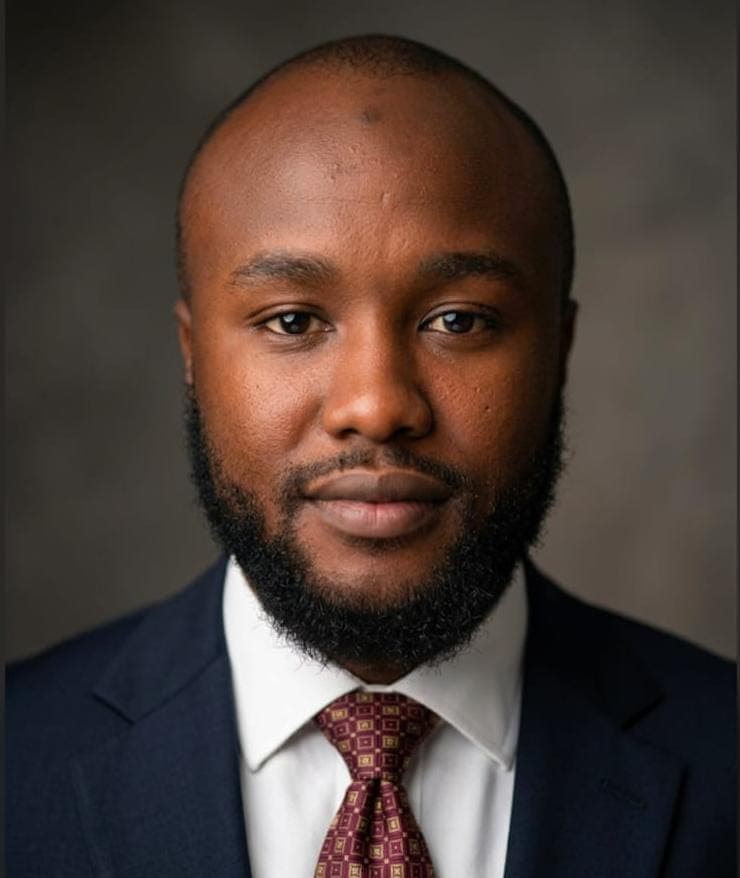
Khalil Ibrahim Yaro
Experienced journalist, Editor in Chief and media professional with a strong background in field reporting, investigative journalism, Editorial production, interviewing, research, digital media and newsroom coordination.
More from Khalil Ibrahim Yaro