
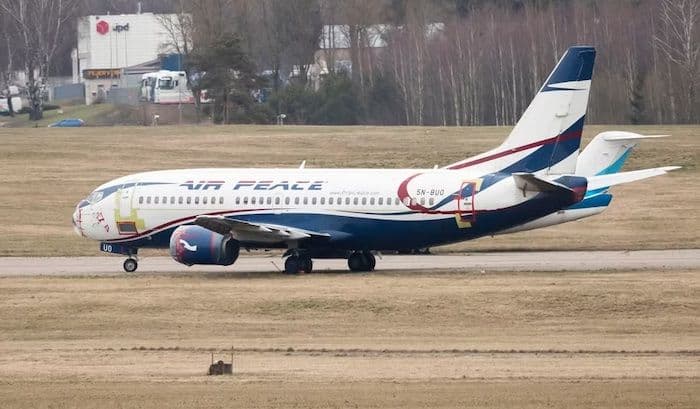
The dispute follows the NCAA’s August 2026 domestic flight disruption report, which records delays and cancellations involving airlines operating in Nigeria. According to the figures cited in reports on the NCAA data, Air Peace was listed as having operated 1,864 flights in August, with 1,330 recorded as delayed and seven cancellations. The airline has challenged those figures and says they do not accurately reflect its total operations during the month.
In a statement signed by its Chief Operating Officer, Oluwatoyin Olajide, Air Peace said it actually operated 2,564 flights during August. The airline argued that more than 700 flights were left out of the NCAA figures, which it said affected the calculation of its reported delay rate. Air Peace is therefore calling for the regulator to review its data collection and reporting process.
The airline also disputed the suggestion that most of its delays were caused by problems within Air Peace itself. According to the company, an internal review found that 391 flights, representing about 15 per cent of its August operations, experienced delays attributable to internal factors.
Air Peace said these internal factors included technical problems that required unscheduled maintenance and some fuel-related issues. However, the airline maintained that many other disruptions were caused by circumstances outside its direct control.
Among the external factors cited by Air Peace were airport congestion, inadequate airport facilities, adverse weather, bird strikes, union picketing and damage to an aircraft by a ground-handling company. The airline said airport and air-traffic congestion accounted for more than half of the external delays identified in its review.
Air Peace also highlighted a bird strike involving one of its aircraft in Abuja. The airline said the incident damaged part of the aircraft and forced it out of service for more than a week while repairs were carried out. According to the company, the aircraft normally operates several flights each day, meaning its removal from service created further disruption to the airline’s schedule.
Weather was another factor raised by the airline. Air Peace said severe weather during the rainy season led to diversions and safety-related delays. It argued that when one aircraft is diverted or delayed, the effect can spread to later flights because the same aircraft may be scheduled to operate several routes during the day.
The airline also pointed to industrial action in August, saying picketing by aviation unions affected its operations and continued to cause scheduling problems even after the initial disruption. It further alleged that damage caused to one of its aircraft by a ground-handling company kept the aircraft out of service for more than two weeks.
Air Peace said it is not denying that some delays were linked to factors within its own operations. However, it maintains that the NCAA report does not properly distinguish between airline-related delays and disruptions caused by airport infrastructure, weather, air-traffic congestion and other external circumstances.
The airline has therefore urged the NCAA to audit the data used in its monthly reports and ensure that future figures accurately reflect the number of flights operated by each carrier and the actual causes of disruptions.
The dispute comes as Nigerian aviation authorities face increasing pressure to improve flight punctuality and passenger protection. The NCAA has been publishing airline disruption figures as part of efforts to monitor the performance of carriers and address complaints from air travellers.
For now, the two sides disagree over how Air Peace’s August performance should be measured. The NCAA’s published figures and Air Peace’s own operational review give different pictures of the scale and causes of the airline’s delays.