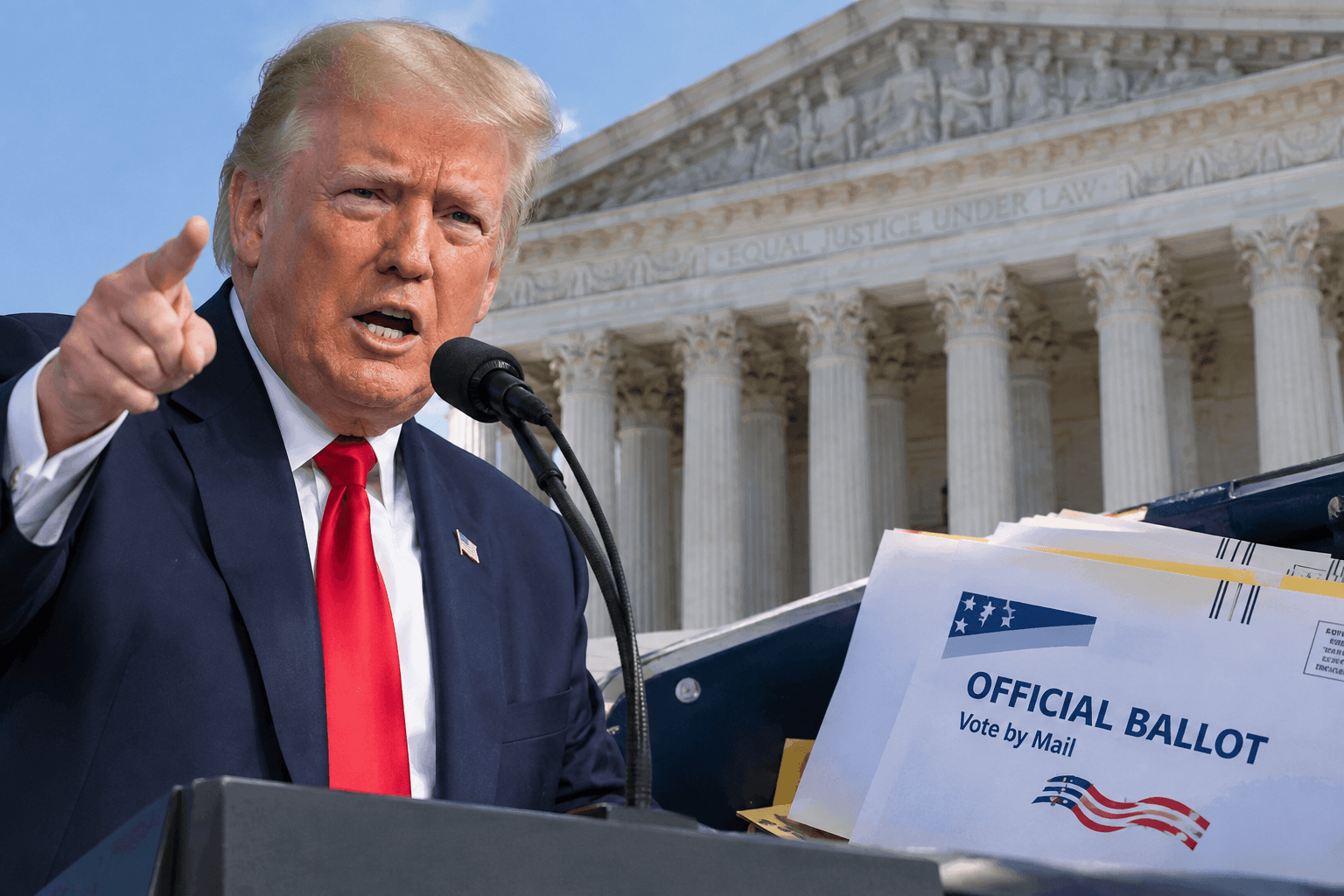
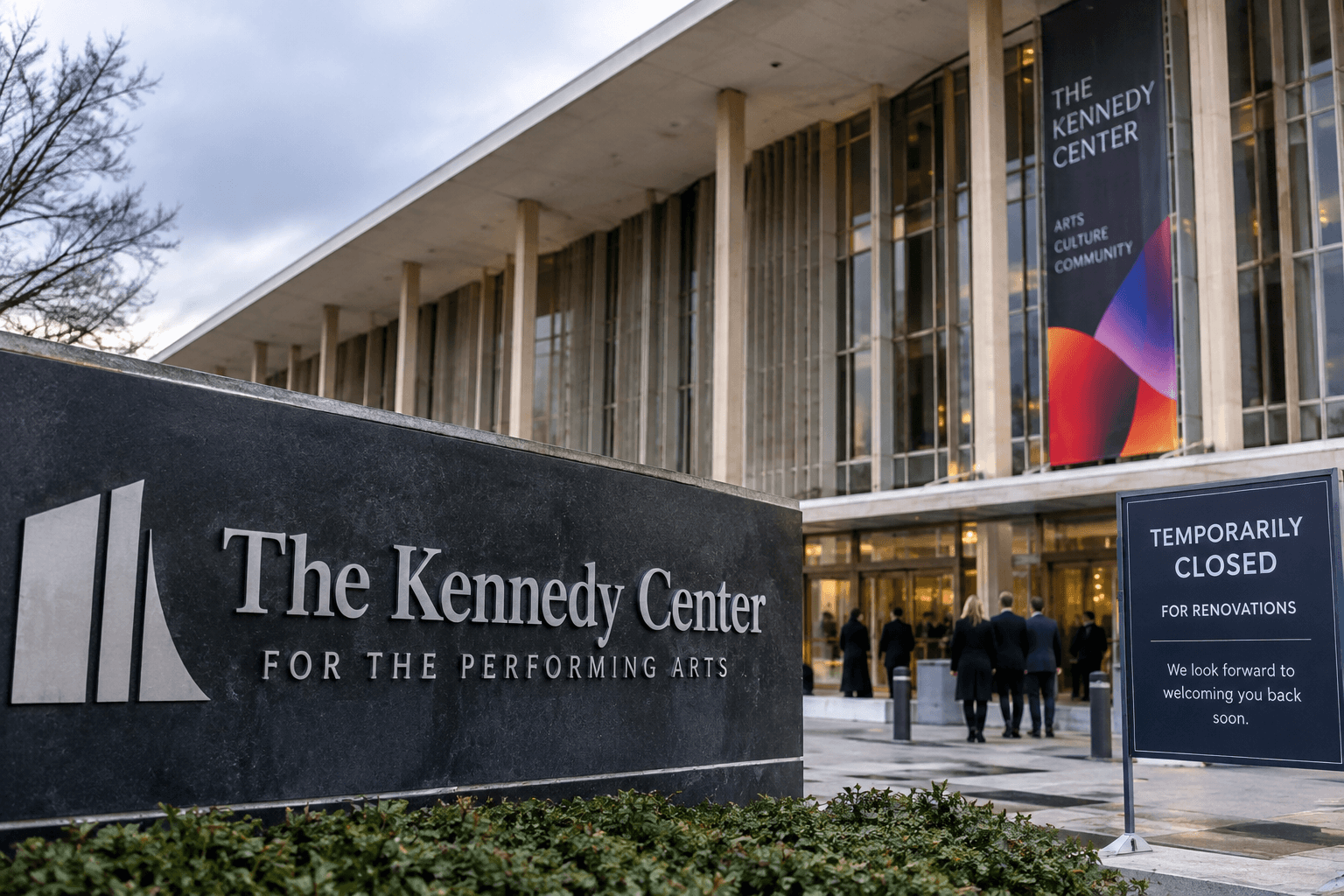
The decision was taken on Tuesday, September 15, 2026, shortly after a federal judge again blocked an effort by the Kennedy Center board to put Trump’s name on the building. The developments have intensified a long-running dispute over the future, leadership and identity of one of the United States’ most prominent cultural institutions.

Chat Gpt
According to people familiar with the meeting, Trump and Commerce Secretary Howard Lutnick joined the board’s discussions by phone.
During the meeting, Trump sharply confronted Democratic Representative Joyce Beatty of Ohio, who is a member of the Kennedy Center board and has challenged the effort to add Trump’s name to the building.
Beatty has been involved in legal action opposing the changes at the Kennedy Center.
Accounts of the meeting describe a heated exchange between Trump and Beatty, with Beatty later saying the president strongly criticized her over the litigation.
The Kennedy Center board subsequently voted to close the main building while major renovation work is planned.
The closure comes amid concerns raised by Kennedy Center officials about the physical condition of the building, as well as financial difficulties facing the institution.
Administrators have pointed to recent structural problems, including water intrusion and deterioration in parts of the building.
A draft resolution circulated to trustees also referred to a partial ceiling collapse in the Grand Foyer, saying debris fell from a significant height and created safety concerns for visitors and employees.
The board has argued that the building needs extensive renovation and that closing the main facility is necessary to carry out the work safely.
The planned renovation is expected to last about two years and has a projected cost of approximately 257 million dollars, with Congress having allocated funding for the project.
However, the closure is taking place against the backdrop of a separate legal battle over Trump’s name.
Earlier on Tuesday, U.S. District Judge Christopher Cooper blocked the Kennedy Center board from adding Trump’s name to the building or otherwise creating a memorial to him without approval from Congress.
The ruling reinforced an earlier decision that the board did not have the authority to change the federally established name of the Kennedy Center without congressional action.Judge Cooper said that the board could not install memorials for Trump or anyone else at the Kennedy Center without Congress’s approval. The ruling followed an August decision by the board to place an inscription on the building recognizing Trump for what it described as his role in securing renovation funding.The board had also backed plans connected to naming parts of the Kennedy Center complex after Trump.Those efforts have been challenged in court by opponents, including Representative Beatty.Trump has strongly defended his involvement with the Kennedy Center and has argued that major renovations are necessary to address the institution’s condition and financial problems.Following Tuesday’s court ruling and the board’s decision to close the building, Trump said the renovation would not move forward unless the legal dispute over his name was resolved in his favor.He has also said he has raised millions of dollars in private donations for the Kennedy Center.The White House has defended Trump’s involvement and accused Democrats of opposing his efforts to improve the institution.Beatty and her legal representatives, however, have disputed the board’s justification for the immediate closure.They argue that the Kennedy Center had previously planned to carry out renovations in phases while continuing some performances and operations.Beatty’s legal team has also challenged the interpretation of consultants’ reports that were cited to support the closure, arguing that one consultant did not conclude that the main building was unsafe for continued occupancy. The dispute has therefore developed around two major issues: the physical and financial condition of the Kennedy Center, and the question of whether Trump can use his position as chairman of the board to change the institution’s identity.Trump became chairman of the Kennedy Center board after returning to the presidency and replacing members of the previous board.Since then, his administration and the new board have pursued significant changes at the institution, including plans to renovate the main building and attempts to recognize Trump on the center’s exterior.Those changes have triggered legal challenges and opposition from some artists, board members and supporters of the Kennedy Center’s traditional role.The Kennedy Center was established as a national cultural institution and memorial to former President John F. Kennedy.It hosts major performances in music, theatre, dance and other forms of the performing arts, as well as programs involving the National Symphony Orchestra and other cultural organizations.The immediate closure does not mean all Kennedy Center activities will stop.Officials have indicated that some educational and artistic programming can continue at the Reach, the center’s newer expansion, while certain major events can be moved to other locations.The Kennedy Center Honors and the Mark Twain Prize for American Humor are also expected to continue at alternative venues during the closure. The institution’s financial situation has become another major part of the dispute.Board members supporting the closure have warned about serious financial pressures and the possibility of further deterioration if major repairs are delayed.Opponents argue that the current leadership’s decisions and the controversy surrounding Trump’s involvement have themselves contributed to financial and programming difficulties.These competing claims are now part of the broader legal and political dispute surrounding the institution.For the moment, the board has voted to close the main Kennedy Center building and proceed toward a major renovation project.But the timing and implementation of the closure remain subject to legal proceedings.A federal court has already intervened in the dispute, and further litigation is expected over both the naming issue and the authority of the board to shut the facility.Trump has made clear that he wants the renovation to proceed only under conditions that include his preferred recognition on the building.The federal court, meanwhile, has ruled that changing the memorial’s identity in that way requires congressional approval.The Kennedy Center is therefore entering a new and uncertain period, with its main building closed, a major renovation planned, and continuing legal disputes over the role of the president and the authority of the board.The immediate priority for the institution is now to address the building’s reported structural and financial problems while determining how performances and other programs can continue during the renovation period.At the same time, the legal battle over Trump’s name and the future governance of the Kennedy Center is expected to continue in the courts.The outcome could determine not only when the historic building fully reopens, but also how the institution is governed and presented to the American public in the years ahead.