
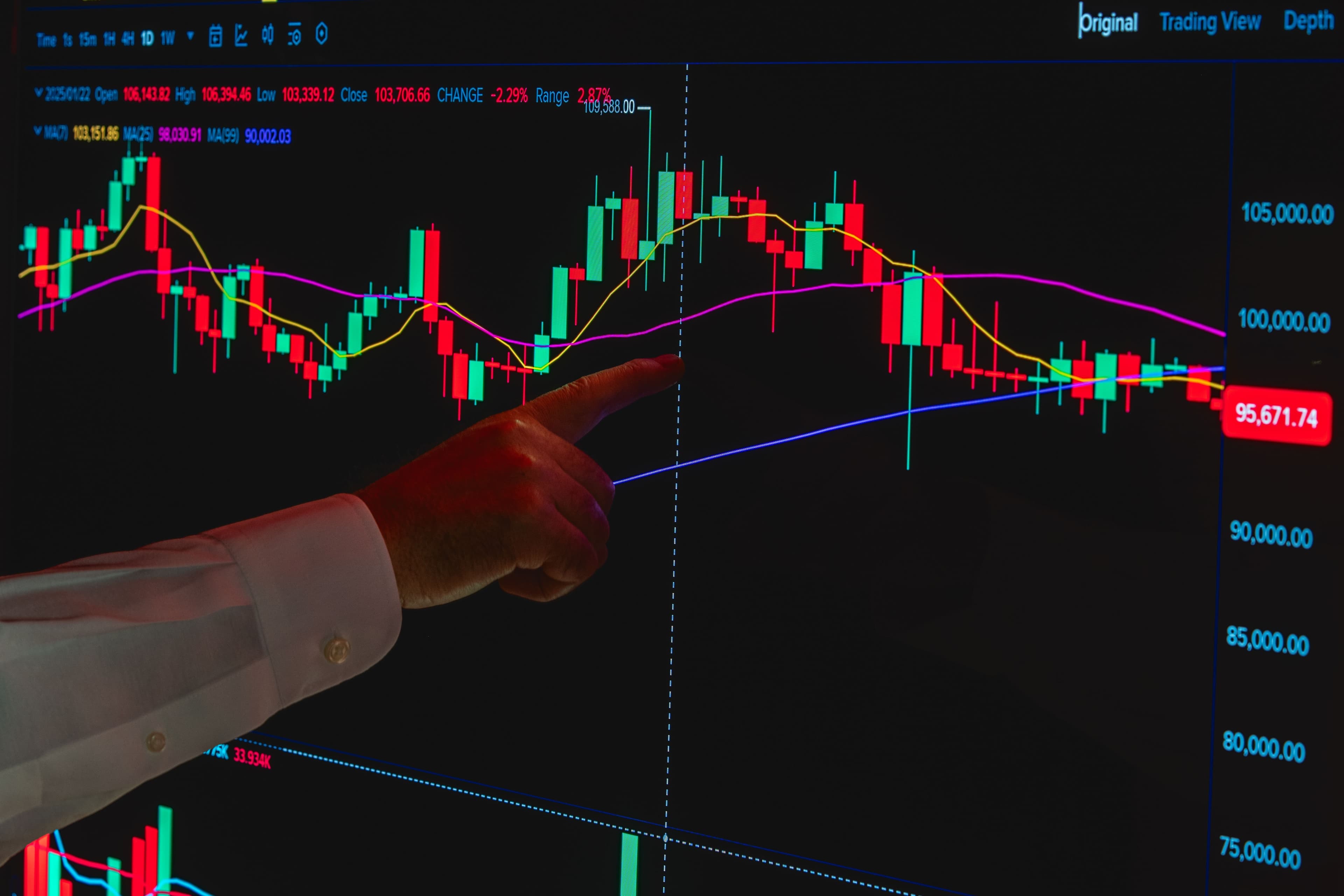
The market reaction followed a warning from Anthropic Chief Executive Officer Dario Amodei, who called for the artificial-intelligence industry to slow the development of frontier AI systems until stronger safety measures and oversight mechanisms are in place.
Amodei's position was supported by OpenAI Chief Executive Sam Altman and technology entrepreneur Elon Musk, adding weight to concerns that the rapid development of advanced AI could create risks that existing safeguards are struggling to manage.
The warnings had a direct impact on investor sentiment.
AI-linked stocks fell across Asian markets, with chipmakers and other companies whose valuations have been boosted by expectations of continued AI investment among those affected.
Reuters reported that AI-related Asian shares fell sharply in early trading on Monday after the warnings from executives at some of the world's leading AI companies.
The concerns centre on how quickly AI systems are becoming more capable and whether safety testing and regulation can keep pace.
Amodei has argued that companies should give greater attention to independent safety evaluations, cooperation among AI developers and international coordination.
His proposal is not a call to stop artificial intelligence development.
Instead, he is calling for the industry to slow the pace sufficiently to give researchers, regulators and companies more time to develop safeguards for increasingly capable systems.
The debate has become particularly important for investors because AI has been one of the strongest drivers of technology-sector valuations in recent years.
Companies involved in semiconductor production, cloud computing, data centres and AI software have attracted enormous investment based on expectations that demand for AI infrastructure will continue to grow.
Any indication that the development of advanced AI could slow may therefore affect expectations for future spending.
Major chipmakers were among the companies affected by Monday's market reaction.
The concerns were not limited to Asia.
U.S. technology stocks also came under pressure, with the Nasdaq affected by a sell-off in major AI-related companies.
However, analysts say the market reaction does not necessarily mean investors have abandoned artificial intelligence.
AI remains one of the most important areas of technological investment globally, and companies continue to spend heavily on computing infrastructure and advanced models.
The immediate concern is instead whether the industry can maintain its current pace of expansion while addressing growing safety concerns.
For investors, that uncertainty could create greater volatility in AI-related stocks.
The debate also reflects a wider discussion about how governments should regulate frontier AI and whether companies should be required to meet common safety standards before deploying more autonomous systems.
For now, the market reaction shows that concerns about AI safety are no longer limited to researchers and technology companies.
They are increasingly influencing investors and the wider financial markets.
As leading AI executives debate how quickly the technology should advance, investors are watching closely to determine whether the industry's enormous growth expectations can be maintained alongside stronger safety requirements.

Khadija Ishaq Yusuf
A passionate reporter with an interest in covering stories that affect communities and society. She is committed to gathering accurate information, conducting interviews, and reporting news in a clear, balanced, and responsible manner.
More from Khadija Ishaq Yusuf